Table of Contents
1. What Equipment Do You Need for a Bottled Water Factory?
2. How Much Does Water Treatment Equipment Cost?
3. How Much Does the Filling and Bottling Line Cost?
4. What Are the Facility and Construction Costs?
5. How Much Do Licenses, Permits, and Insurance Cost?
6. What Are the Labor and Operational Costs?
7. How Much Does a Small-Scale Bottled Water Factory Cost?
8. How Much Does a Medium-Scale Bottled Water Factory Cost?
9. How Much Does a Large-Scale Bottled Water Factory Cost?
10. How Can You Save Money When Starting a Bottled Water Factory?
11. Final Thoughts
You want to start a bottled water business. But you do not know how much money you need to start. Many people fail because they underestimate the cost. They buy a cheap filling machine and then find out they also need water treatment, labeling, packaging, and a factory building. The bill grows fast. I have helped many clients set up bottled water factories around the world, and I want to share the real numbers with you.
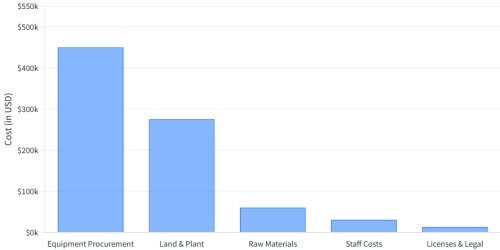
Starting a bottled water factory costs between $100,000 and over $1,000,000 in 2026. A small-scale plant needs about $100,000 to $250,000. A medium-scale plant needs $300,000 to $800,000. A large industrial plant needs over $1,000,000. Equipment is the biggest cost and takes 50% to 70% of your total budget. Other major costs include facility rent or construction, licenses and permits, labor, packaging materials, and working capital. The exact number depends on your production capacity, automation level, water source quality, and country location.
What Equipment Do You Need for a Bottled Water Factory?
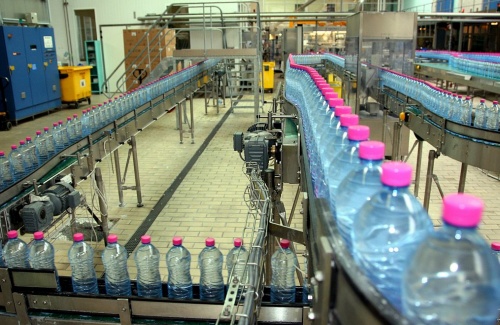
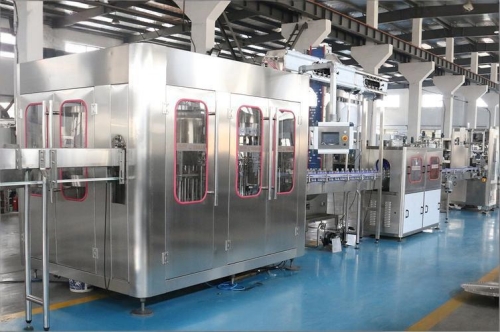
You may think a filling machine is all you need. This is a common mistake. A filling machine alone cannot produce bottled water. You need a full chain of machines, and if one link is missing, your whole line stops. I have seen clients buy a cheap filling machine first and then spend twice as much trying to connect it with other machines later.A complete bottled water factory needs these main machines: a water treatment system ($15,000 to $150,000), a PET bottle blowing machine ($8,000 to $150,000), a 3-in-1 rinsing-filling-capping machine ($25,000 to $300,000+), a labeling machine ($5,000 to $60,000+), a date coding machine ($2,000 to $10,000), a shrink wrapping or carton packing machine ($10,000 to $100,000+), conveyors, and an air compressor system. You also need storage tanks, a laboratory for water testing, and spare parts. The total equipment cost ranges from $40,000 for a small 1,000 BPH semi-automatic line to over $1,000,000 for a high-speed 42,000 BPH industrial line.
How Much Does Water Treatment Equipment Cost?
Your source water may look clean. But looks can trick you. Tap water, well water, and spring water all contain minerals, bacteria, and chemicals that you must remove. If you skip proper treatment, your product fails health tests and your brand gets damaged. I always tell clients: water treatment is not the place to save money.
Water treatment equipment for a bottled water factory costs between $15,000 and $150,000. A basic reverse osmosis (RO) system for small production costs $15,000 to $30,000. A medium-scale RO system with sand filters, carbon filters, and UV sterilization costs $30,000 to $80,000. A large industrial system with ozone treatment and mineral adjustment can cost $80,000 to $150,000 or more. The price depends on your raw water quality and your target output. If your source water is hard or has high contamination, you need more treatment steps and a higher budget.
Water treatment equipment for a bottled water factory costs between $15,000 and $150,000. A basic reverse osmosis (RO) system for small production costs $15,000 to $30,000. A medium-scale RO system with sand filters, carbon filters, and UV sterilization costs $30,000 to $80,000. A large industrial system with ozone treatment and mineral adjustment can cost $80,000 to $150,000 or more. The price depends on your raw water quality and your target output. If your source water is hard or has high contamination, you need more treatment steps and a higher budget.
How Much Does the Filling and Bottling Line Cost?
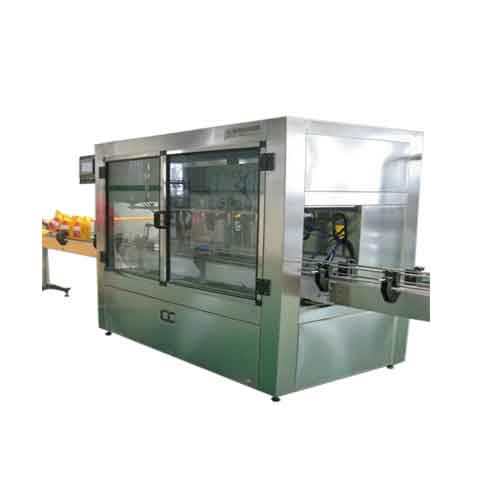
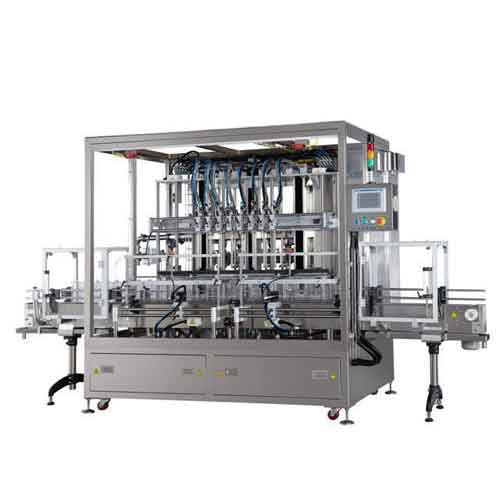
The filling machine is the heart of your factory. But people often compare prices by bottles per hour and miss the details. A 6,000 BPH filling machine from one supplier is not the same as another. The number of filling valves, the PLC brand, the motor quality, and the stainless steel grade all change the price. A cheap machine breaks down often, and each hour of downtime costs you thousands of bottles.
A 3-in-1 rinsing-filling-capping machine costs $25,000 to $300,000 or more. A 1,000 to 2,000 BPH machine costs about $25,000 to $40,000. A 3,000 to 5,000 BPH machine costs $50,000 to $80,000. A 6,000 to 10,000 BPH machine costs $80,000 to $150,000. A 12,000 to 24,000 BPH high-speed machine costs $150,000 to $300,000. For a complete line including bottle blowing, filling, labeling, and packing, you should budget $40,000 to $60,000 for 1,000 BPH, $90,000 to $180,000 for 3,000 to 5,000 BPH, and $250,000 to $450,000 for 8,000 to 12,000 BPH.
A 3-in-1 rinsing-filling-capping machine costs $25,000 to $300,000 or more. A 1,000 to 2,000 BPH machine costs about $25,000 to $40,000. A 3,000 to 5,000 BPH machine costs $50,000 to $80,000. A 6,000 to 10,000 BPH machine costs $80,000 to $150,000. A 12,000 to 24,000 BPH high-speed machine costs $150,000 to $300,000. For a complete line including bottle blowing, filling, labeling, and packing, you should budget $40,000 to $60,000 for 1,000 BPH, $90,000 to $180,000 for 3,000 to 5,000 BPH, and $250,000 to $450,000 for 8,000 to 12,000 BPH.
What Are the Facility and Construction Costs?
You have the machines. But where do you put them? Many first-time investors forget that machines need a proper building. The floor must be level. The ceiling must be high enough. You need water pipes, power lines, drainage, and a clean production area. If you rent a space that does not fit, you waste money on modifications.
The cost of factory buildings may vary slightly depending on the country and region. Factory buildings can be leased, newly built, or renovated. Mainly including layout design, flooring, walls, plumbing, electrical work, and environmental controls. You also need warehouse space for raw materials and finished products. I recommend choosing a location close to your water source and major roads. This saves money on transportation and makes daily operations easier.
The cost of factory buildings may vary slightly depending on the country and region. Factory buildings can be leased, newly built, or renovated. Mainly including layout design, flooring, walls, plumbing, electrical work, and environmental controls. You also need warehouse space for raw materials and finished products. I recommend choosing a location close to your water source and major roads. This saves money on transportation and makes daily operations easier.
How Much Do Licenses, Permits, and Insurance Cost?
You cannot just start bottling water and sell it. Every country has rules for food and beverage production. You need water extraction rights, health department approval, environmental permits, and business registration. If you skip these, your factory gets shut down and you lose everything you invested.
License and permit fees are primarily used for water withdrawal permits, environmental impact assessments, health certifications, business registration, and product quality testing. In addition, there are insurance premiums for liability insurance, property insurance, and workers' compensation insurance. The exact cost depends on your country and local regulations. Some countries also require regular water quality audits, which add to your ongoing costs. I always advise clients to add 10% to 20% extra to their budget for permits and compliance.
License and permit fees are primarily used for water withdrawal permits, environmental impact assessments, health certifications, business registration, and product quality testing. In addition, there are insurance premiums for liability insurance, property insurance, and workers' compensation insurance. The exact cost depends on your country and local regulations. Some countries also require regular water quality audits, which add to your ongoing costs. I always advise clients to add 10% to 20% extra to their budget for permits and compliance.
What Are the Labor and Operational Costs?
Machines do not run themselves. You need people to operate them, check quality, manage inventory, and handle sales. New investors often focus only on equipment and forget that salaries start from day one, even before the first bottle is sold. You need enough working capital to cover at least three to six months of operating costs.
Labor costs for a bottled water factory range from $50,000 to $200,000 per year. A small plant needs 4 to 6 employees, costing $6,000 to $12,000 per month. A medium plant needs 10 to 15 employees, costing $15,000 to $30,000 per month. A large plant needs 25 or more employees. Other operational costs include utilities ($5,000 to $15,000 per month for electricity and water), maintenance ($10,000 to $50,000 per year), and consumables like bottles, caps, labels, and shrink film. Packaging materials are usually the biggest ongoing cost, not the water itself.
Labor costs for a bottled water factory range from $50,000 to $200,000 per year. A small plant needs 4 to 6 employees, costing $6,000 to $12,000 per month. A medium plant needs 10 to 15 employees, costing $15,000 to $30,000 per month. A large plant needs 25 or more employees. Other operational costs include utilities ($5,000 to $15,000 per month for electricity and water), maintenance ($10,000 to $50,000 per year), and consumables like bottles, caps, labels, and shrink film. Packaging materials are usually the biggest ongoing cost, not the water itself.

How Much Does a Small-Scale Bottled Water Factory Cost?
You want to start small and test the market. This is a smart move for many first-time investors. But small does not mean cheap. You still need all the same basic equipment, just at a lower capacity. If you cut too many corners, you end up with a line that cannot meet demand when your sales grow.
A small-scale bottled water factory costs $100,000 to $250,000 in total. This includes a 1,000 to 2,000 BPH semi-automatic production line ($40,000 to $100,000), facility rent and preparation ($50,000 to $100,000), licenses and insurance ($20,000 to $50,000), initial packaging materials ($10,000 to $30,000), and working capital for the first few months. This size is good for local markets, small towns, hotels, and businesses testing a new product. The trade-off is higher labor cost because semi-automatic machines need more manual work.
A small-scale bottled water factory costs $100,000 to $250,000 in total. This includes a 1,000 to 2,000 BPH semi-automatic production line ($40,000 to $100,000), facility rent and preparation ($50,000 to $100,000), licenses and insurance ($20,000 to $50,000), initial packaging materials ($10,000 to $30,000), and working capital for the first few months. This size is good for local markets, small towns, hotels, and businesses testing a new product. The trade-off is higher labor cost because semi-automatic machines need more manual work.
How Much Does a Medium-Scale Bottled Water Factory Cost?
Your brand is growing. Your distributors want more product. Your small line cannot keep up. But upgrading is not as simple as buying a bigger machine. You need to check if your factory space, power supply, and water treatment can support higher capacity. Many clients come to me when their small line hits a wall, and they wish they had planned for growth from the start.
A medium-scale bottled water factory costs $300,000 to $800,000 in total. This includes a 3,000 to 8,000 BPH automatic production line ($90,000 to $220,000), facility construction or renovation ($100,000 to $200,000), licenses and insurance ($30,000 to $60,000), initial packaging materials ($20,000 to $50,000), installation and training ($15,000 to $30,000), and working capital ($50,000 to $100,000). This size is good for regional brands that serve multiple cities. Automatic lines reduce labor cost and improve production consistency. I usually recommend planning for a three-to-five-year sales target, not just your first-year volume.
A medium-scale bottled water factory costs $300,000 to $800,000 in total. This includes a 3,000 to 8,000 BPH automatic production line ($90,000 to $220,000), facility construction or renovation ($100,000 to $200,000), licenses and insurance ($30,000 to $60,000), initial packaging materials ($20,000 to $50,000), installation and training ($15,000 to $30,000), and working capital ($50,000 to $100,000). This size is good for regional brands that serve multiple cities. Automatic lines reduce labor cost and improve production consistency. I usually recommend planning for a three-to-five-year sales target, not just your first-year volume.
How Much Does a Large-Scale Bottled Water Factory Cost?
You want to compete with national brands. You need high speed, high reliability, and full automation. At this level, you are not just buying machines. You are designing a complete production system. One weak link in the chain can slow down the whole line and cost you a fortune in lost production.
A large-scale bottled water factory costs over $1,000,000. The equipment alone for an 18,000 to 42,000 BPH high-speed line costs $450,000 to over $1,000,000. Facility construction can add $250,000 to $500,000 or more. You also need advanced water treatment, robotic palletizing, production monitoring systems, a full laboratory, and a large warehouse. Labor costs exceed $200,000 per year. At this scale, reliability and efficiency matter more than the initial purchase price. One hour of downtime on a 24,000 BPH line means 24,000 bottles not produced.
A large-scale bottled water factory costs over $1,000,000. The equipment alone for an 18,000 to 42,000 BPH high-speed line costs $450,000 to over $1,000,000. Facility construction can add $250,000 to $500,000 or more. You also need advanced water treatment, robotic palletizing, production monitoring systems, a full laboratory, and a large warehouse. Labor costs exceed $200,000 per year. At this scale, reliability and efficiency matter more than the initial purchase price. One hour of downtime on a 24,000 BPH line means 24,000 bottles not produced.
How Can You Save Money When Starting a Bottled Water Factory?
Everyone wants to save money. But saving money in the wrong place costs you more later. A cheap filling machine that breaks every week is more expensive than a reliable machine that costs more upfront. The key is to know where you can cut costs and where you must invest.
You can save money in several ways. First, buy a complete production line from one supplier instead of mixing machines from different brands. This reduces compatibility problems and installation cost. Second, start with a semi-automatic line if your local labor cost is low. You save on equipment and upgrade later when sales grow. Third, choose shrink film packaging instead of carton packing for startup. The equipment is much cheaper. Fourth, rent a ready-made industrial space instead of building from scratch. Fifth, negotiate with suppliers for a package deal including installation, training, and spare parts. But never save money on water treatment or machine quality. These two areas directly affect your product safety and long-term profit.
You can save money in several ways. First, buy a complete production line from one supplier instead of mixing machines from different brands. This reduces compatibility problems and installation cost. Second, start with a semi-automatic line if your local labor cost is low. You save on equipment and upgrade later when sales grow. Third, choose shrink film packaging instead of carton packing for startup. The equipment is much cheaper. Fourth, rent a ready-made industrial space instead of building from scratch. Fifth, negotiate with suppliers for a package deal including installation, training, and spare parts. But never save money on water treatment or machine quality. These two areas directly affect your product safety and long-term profit.
Final Thoughts
Starting a bottled water factory is a serious investment. The cost ranges from $100,000 for a small operation to over $1,000,000 for a large industrial plant. The most important thing is to plan based on your real market, not your ambition. Know your water source, calculate your expected sales, choose the right bottle sizes, and pick a production capacity that supports your business for the next three to five years.
I work with food and beverage machinery every day. I have helped clients in many countries set up their bottled water factories. If you want a detailed cost estimate for your specific project, send me your country, target production capacity, bottle sizes, water source type, and factory dimensions. I can help you design a complete line and give you a realistic budget.
I work with food and beverage machinery every day. I have helped clients in many countries set up their bottled water factories. If you want a detailed cost estimate for your specific project, send me your country, target production capacity, bottle sizes, water source type, and factory dimensions. I can help you design a complete line and give you a realistic budget.
For more product information, please refer to: Bottled Water Filling Machine;More video information see view: Bottled Water Production Line 、PET Bottled Water Production Line、 Pure water filling machine Our expertise and advantages will bring you more opportunities and development space.
For personalized, industry-tailored advice and to explore state-of-the-art solutions, please don't hesitate to contact us at info@unmachinery.com
The following is other knowledge related to Bottled Water Filling Production Line that I have summarized based on long-term work experience, for your reference. I hope it will be helpful to you.
1.How to Design a PET Bottled Water Production Line?
2.How is PET bottled purified water filled?
3.What Are the Advantages of 3-in-1 Bottled Water Filling Machines?
4.What Are The Common Faults of 3-in-1 Bottled Water Filling Machine?
5.How Does a Bottled Water Production Line Work?
6.What Machines Are Needed for a Bottled Water Factory?
7.What Should You Consider When Purchasing a Bottled Water Production Line?
8.What Are the Key Elements in the Entire Bottled Water Production Process?
For personalized, industry-tailored advice and to explore state-of-the-art solutions, please don't hesitate to contact us at info@unmachinery.com
The following is other knowledge related to Bottled Water Filling Production Line that I have summarized based on long-term work experience, for your reference. I hope it will be helpful to you.
1.How to Design a PET Bottled Water Production Line?
2.How is PET bottled purified water filled?
3.What Are the Advantages of 3-in-1 Bottled Water Filling Machines?
4.What Are The Common Faults of 3-in-1 Bottled Water Filling Machine?
5.How Does a Bottled Water Production Line Work?
6.What Machines Are Needed for a Bottled Water Factory?
7.What Should You Consider When Purchasing a Bottled Water Production Line?
8.What Are the Key Elements in the Entire Bottled Water Production Process?
Product List
HOT PRODUCT