Table of Contents
· High Efficiency and Compact Design
· Improved Hygiene and Product Integrity
· Cost Savings and Labor Reduction
· Versatility and Applicability Across Industries
Bottled water production can be a highly competitive industry. Manufacturers face constant pressure to increase output while maintaining strict hygiene and quality standards. In this demanding environment, even small inefficiencies in the bottling line can lead to significant losses in time, money, and product quality. Traditional setups with separate machines for flushing, filling, and capping often require long conveyor belts, take up valuable floor space, and increase the risk of contamination or errors. These challenges can hamper productivity and compromise the safety of the final product, creating a pressing need for a more streamlined solution.
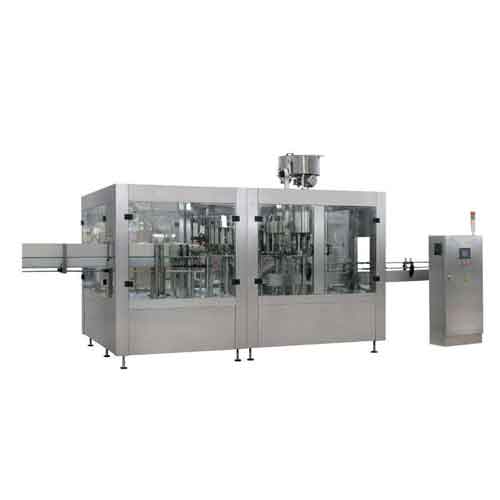
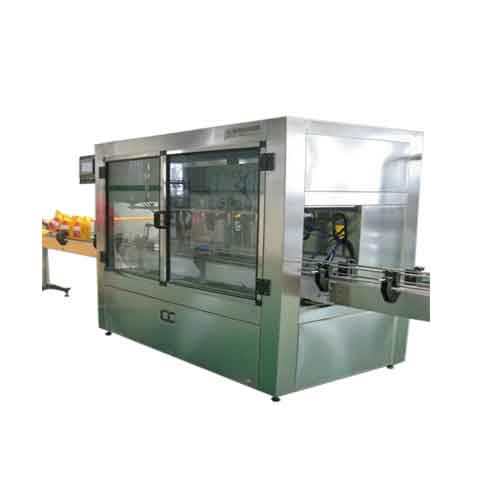
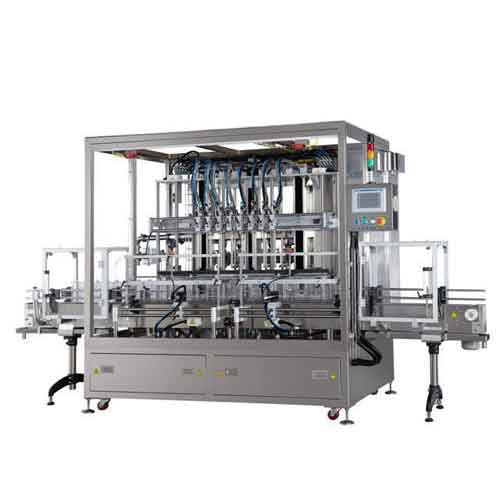
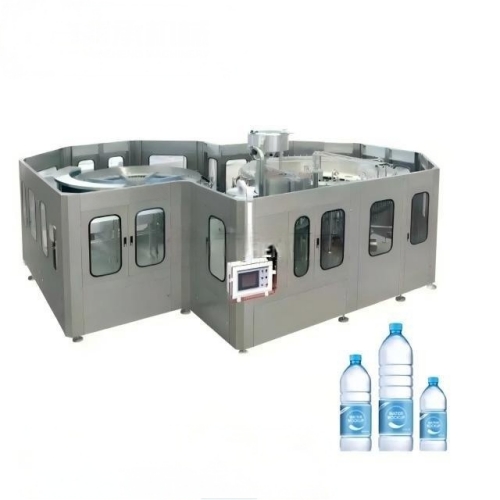
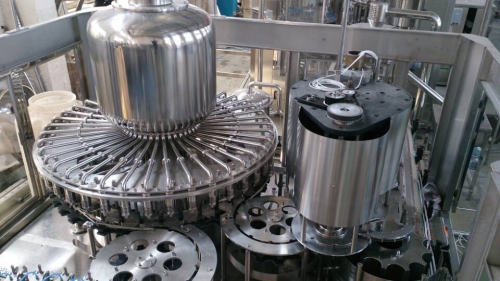
Enter the 3-in-1 rinsing, filling, and capping bottled water filling machine. This all-in-one equipment integrates the three critical bottling processes into a single, compact monoblock unit. By combining bottle rinsing, liquid filling, and capping into one continuous operation, it eliminates the need for multiple standalone machines and the conveyors connecting them. The result is a highly efficient production line that saves space, reduces labor, and minimizes contamination risks.
In short, the main advantage of a 3-in-1 filling machine is that it significantly enhances productivity and product quality by streamlining the bottling process into one seamless workflow.
Below, I will delve into the key advantages of these machines and discuss the industries and scenarios where they can be most effectively applied.
High Efficiency and Compact Design
In the fast-paced world of beverage production, downtime and bottlenecks can be costly. Traditional bottling lines, with separate machines for each step, often struggle to keep pace with high demand. The more machines and conveyors involved, the more opportunities there are for delays or breakdowns. This fragmentation can lead to slower overall throughput and higher operational costs, putting manufacturers at a disadvantage in a market that values speed and efficiency. The need to maximize output while minimizing complexity is a constant challenge for any bottling plant manager.A 3-in-1 bottling machine addresses this challenge by consolidating the rinsing, filling, and capping functions into one efficient system. By integrating these processes, it eliminates the time lost as bottles move between separate stations, allowing for a smoother and faster production flow. The compact design also means the entire bottling line takes up less floor space – a crucial benefit for facilities with limited room to expand. Instead of three large machines, you have one streamlined unit, which not only saves space but also simplifies the layout of your production line. This high-efficiency, space-saving design enables plants to boost their bottling speed and output without needing to enlarge their factory, giving them a competitive edge in meeting high production targets.
Improved Hygiene and Product Integrity
Hygiene is paramount in food and beverage production. Any lapse in cleanliness can lead to product contamination, spoilage, or even health risks for consumers. Traditional multi-machine bottling lines present several hygiene challenges – bottles moving between different machines increase the chance of dust or airborne particles settling in them, and multiple transfer points raise the risk of spills or cross-contamination. Ensuring each step remains sanitary requires rigorous monitoring and can be labor-intensive. In an industry where product quality and safety are everything, these contamination risks are a serious concern that no bottler can afford to ignore.The 3-in-1 rinsing, filling, and capping machine greatly reduces these contamination risks by enclosing the entire bottling process in a single, automated monoblock. With bottles never leaving the machine from start to finish, exposure to the environment is minimized. The integrated system is designed for easy cleaning and sanitization between production runs, often featuring automated clean-in-place (CIP) functions. This enclosed process ensures that each bottle is thoroughly rinsed, filled, and capped under hygienic conditions, preserving the purity and quality of the product. By streamlining the workflow into one contained unit, the machine helps maintain high hygiene standards with less manual intervention. The result is a safer product for consumers and peace of mind for the manufacturer, knowing that stringent sanitation protocols are built into the equipment itself.
Cost Savings and Labor Reduction
Running a bottling plant involves juggling numerous costs – from equipment maintenance and energy use to labor expenses. A traditional bottling line with multiple machines not only requires a higher initial investment in equipment, but also tends to have higher ongoing operating costs. More machines mean more maintenance points and a greater chance of breakdowns, which can halt production and lead to expensive repairs. Additionally, each machine typically needs its own operator or monitoring, increasing labor costs. In an industry where profit margins can be thin, these overhead expenses can eat into profitability and make it difficult to offer competitive prices.By integrating three functions into one, the 3-in-1 bottling machine delivers significant cost savings. It requires only one machine to be purchased, installed, and maintained, which reduces capital expenditure and simplifies maintenance. With fewer components to service, the risk of downtime decreases, and maintenance staff have a single system to focus on. Labor costs are also reduced since the automated monoblock can be run with fewer operators – in many cases, a single operator can oversee the entire rinsing, filling, and capping process from a central control panel.
Furthermore, the machine’s consistent and precise operation minimizes product wastage from overfilling or spillage, directly saving raw materials. Over time, these savings add up. The 3-in-1 bottling machine not only lowers day-to-day operating costs, but it also helps protect your bottom line by improving efficiency and reducing the likelihood of costly production interruptions.
Versatility and Applicability Across Industries
Every bottling application has its own requirements – from bottle sizes and types to liquid viscosities and production speeds. A piece of equipment that excels in one context might be less suitable in another, leading businesses to invest in specialized machines for different products. This can result in a clutter of equipment and inflexibility in production planning. In a diverse market, companies often seek solutions that can adapt to various needs without sacrificing performance. The challenge is finding a bottling machine that is versatile enough to handle multiple products and packaging formats while still delivering high efficiency and quality.Fortunately, modern 3-in-1 rinsing, filling, and capping machines are designed with versatility in mind. They can be used to bottle a wide range of still liquids, making them ideal for industries such as bottled water and other non-carbonated beverages.
These machines can accommodate different bottle shapes and sizes (from small 200 ml bottles up to 5-liter jugs, and even larger formats) with simple adjustments, providing flexibility to meet changing market demands. While they are most commonly used for still water, their applications extend to many other non-carbonated products like purified water, mineral water, edible oils, certain juices, and even some pharmaceutical or chemical liquids. By choosing the appropriate model and configuration, a 3-in-1 bottling machine can be seamlessly integrated into production lines in various sectors.
It’s important for buyers to match the machine’s specifications to their product’s needs (for example, ensuring it’s rated for the intended bottle sizes and production speed). When done correctly, this all-in-one bottler becomes a versatile workhorse that can enhance efficiency and quality across a broad spectrum of liquid packaging applications.
The three-in-one filling machine is redefining the standards of liquid filling. It is no longer just a machine; it is a guarantee for the overall improvement of production efficiency, space utilization, and product quality.
Union Machinery has been engaged in food machinery customization services since its establishment in 2014, according to customer needs for you to tailor suitable machinery and equipment, for more product information, please refer to: Bottled Water Filling Machine;More video information see view: Bottled Water Production Line 、PET Bottled Water Production Line. Our expertise and advantages will bring you more opportunities and development space.
For personalized, industry-tailored advice and to explore state-of-the-art solutions, please don't hesitate to contact us at info@unmachinery.com
The following is other knowledge related to Bottled Water Filling Production Line that I have summarized based on long-term work experience, for your reference. I hope it will be helpful to you.
1.How to Design a PET Bottled Water Production Line?
2.How is PET bottled purified water filled?
3.What Are The Common Faults of 3-in-1 Bottled Water Filling Machine?
Product List
HOT PRODUCT