Table of Contents
1. What Role Does a Water Treatment System Play in Your Production Line?
2. Why Do You Need a Bottle Blowing Machine for Bottled Water Production?
3. What Is a 3-in-1 Filling Machine and Why Is It Important?
4. What Inspection Equipment Do You Need for Bottled Water Quality Control?
5. How Does a Labeling Machine Improve Your Bottled Water Production?
6. What Packaging Machines Finish the Final Production Step?
If you want to open a bottled water factory, you probably don’t know which machines you really need. You might buy unnecessary equipment and waste your budget. You might pick low-quality machines and fail local health inspections. You might also end up with a production line that cannot keep up with your order demand. I have worked in the food machinery industry for many years. In this post, I will break down every core machine for a complete bottled water production line, so you can make the right choice for your business.
A complete bottled water factory production line includes six core types of equipment: water treatment system, bottle blowing machine, 3-in-1 filling machine, quality inspection equipment, labeling machine, and final packaging machine. These machines connect in the order of the production process, running from raw water purification to finished product packing to form a fully automatic workflow.
You can select models with different capacities based on your needs, ranging from a few thousand bottles per hour to tens of thousands of bottles per hour.
What Role Does a Water Treatment System Play in Your Production Line?
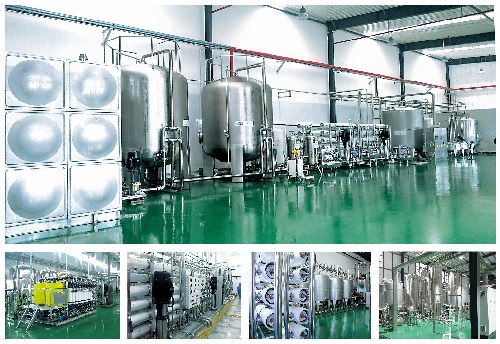
Many new factory owners think bottled water is just tap water poured into bottles. They do not pay much attention to water treatment equipment. This is a very risky mistake. You cannot see tiny impurities, bacteria, or heavy metals in raw water with your eyes. If you fill unprocessed water directly into bottles, you will fail food safety tests. You may even face huge fines and permanent damage to your brand if consumers get sick from your product. I will explain how a water treatment system works and why it is a must-have for your factory.A water treatment system purifies raw water into water that meets drinking safety standards. Its core processes usually include raw water pressurization, quartz sand filtration, activated carbon filtration, precision filtration, reverse osmosis (RO) treatment, and ozone sterilization. It removes sediment, bad odors, heavy metals, microbes, and harmful ions from water. It is the most critical equipment to ensure your product is safe and complies with local regulations.
We offer different configurations for different source water quality. For example, if you use groundwater, you may need extra iron and manganese removal devices. All our water treatment parts use food-grade materials. They meet most international food safety standards. You can also add extra testing points to monitor water quality in real time.
Why Do You Need a Bottle Blowing Machine for Bottled Water Production?
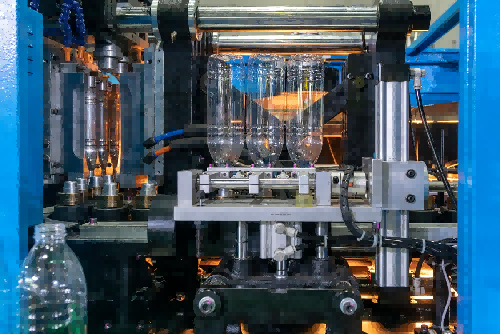
Many new factory owners wonder if they should buy ready-made bottles or make bottles on their own. Most people choose ready-made bottles at first to save initial cost. But this choice brings more problems later. Ready-made bottles cost more per unit in the long run. They take up a lot of warehouse space. They also get dirty or damaged during transportation. Your production speed will also depend on your bottle supplier’s delivery speed. I will tell you why a bottle blowing machine is a better long-term choice.A bottle blowing machine heats PET preforms and blows them into plastic bottles of different shapes and sizes. It is the core equipment for in-house bottle production. It can produce bottles in real time to match your production line speed. It cuts your storage and transportation costs significantly. It also lets you change bottle designs easily to fit different product demands.
What Is a 3-in-1 Filling Machine and Why Is It Important?
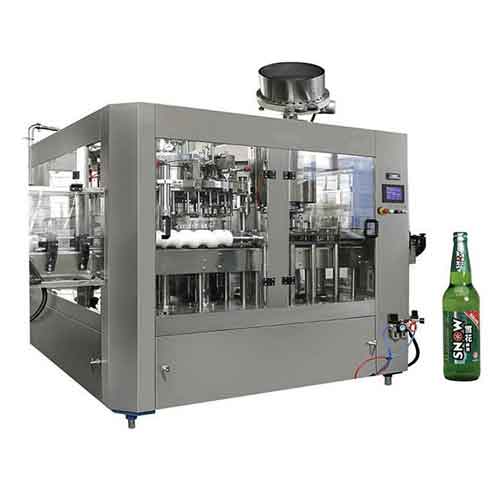
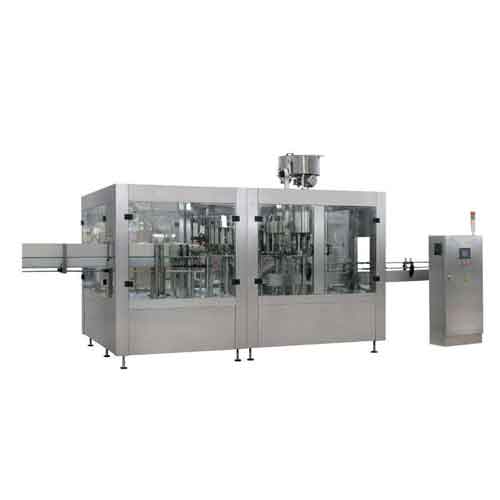
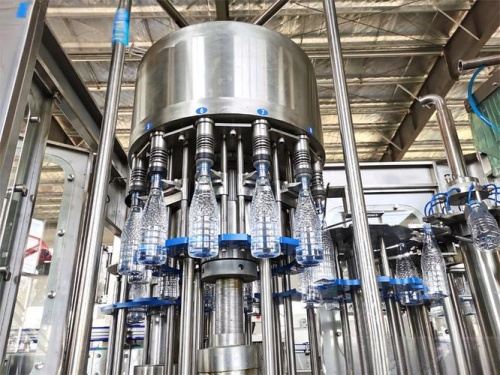
Some factories use separate machines for bottle washing, filling, and capping. This setup takes up more factory space. It also needs more workers to operate each machine. The gaps between machines let dust and bacteria get into bottles. This raises the risk of secondary pollution. You may also get inaccurate filling volumes and more product waste. A 3-in-1 filling machine solves all these problems. I will explain how it works.A 3-in-1 filling machine combines three production steps into one unit: bottle washing, filling, and capping. It completes all three processes inside a closed, sterile environment. It reduces human intervention and lowers the risk of secondary pollution. It also greatly improves production efficiency. It acts as the central hub of a bottled water production line.
Our 3-in-1 filling machines use food-grade stainless steel for all parts that touch water. The filling valve controls volume with high precision. The capping head applies steady force to make sure every cap is tight and straight. The machine works for different bottle sizes from 300ml to 2L. You can adjust settings easily when you change product specifications.
What Inspection Equipment Do You Need for Bottled Water Quality Control?
Some factories use workers to check finished bottles by eye. This method has big problems. Workers get tired after working for a few hours. They miss a lot of defective products. Defective bottles like half-filled bottles, crooked caps, or bottles with impurities will reach the market. Your customers will return these products. Your brand reputation will get worse. Automatic inspection equipment fixes this problem completely. I will list the key inspection machines you need.Bottled water factories need four main types of inspection equipment: liquid level detectors, cap inspection machines, light inspection devices, and date code detectors. These machines automatically identify issues like insufficient filling, crooked caps, internal impurities, and missing date codes. They also remove unqualified products from the line automatically. They ensure almost all products leaving your factory meet your quality standards.
These inspection machines connect directly to your production line. They work at the same speed as your filling machine. They do not need extra workers to operate. Their detection accuracy is much higher than manual checks. You can also set different detection standards based on your product requirements.
How Does a Labeling Machine Improve Your Bottled Water Production?
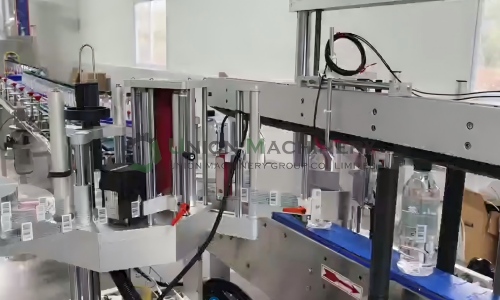
If you use workers to put labels on bottles, you will face many problems. Manual labeling is slow. It cannot keep up with high-speed production lines. Workers also put labels in different positions. Some labels are crooked or have bubbles. These bottles look low-quality on store shelves. Customers will not want to buy them. An automatic labeling machine solves all these issues. I will tell you how it helps your production.A labeling machine automatically applies labels to precise positions on bottle bodies. The two most common types are self-adhesive labeling machines and hot melt adhesive labeling machines. It ensures every bottle has the same label position, flat and wrinkle-free. It improves the appearance and perceived quality of your product. Its operating speed also matches the full production line capacity.
Our labeling machines work with most bottle shapes and label types. You can switch between different bottle sizes quickly. The machine has a simple control panel. Workers can learn to operate it in a short time. It also uses less label material than manual work, which cuts your material cost.
What Packaging Machines Finish the Final Production Step?
The final packing step is often the most labor-heavy part of many factories. Workers put bottles into boxes or wrap them by hand. This work is slow and tiring. During peak seasons, packed products pile up because workers cannot keep up. Workers may also put the wrong number of bottles in each package. This causes extra costs for logistics and customer complaints. Automatic packaging machines fix these problems easily. I will introduce the two main options for you.Bottled water factories use two main types of final packaging machines: carton packing machines and heat shrink wrapping machines. A carton packing machine automatically arranges bottles and loads them into cardboard boxes. A heat shrink wrapping machine wraps groups of bottles with PE film and shrinks the film with heat to form multi-packs. Both types greatly improve packing efficiency and reduce labor costs.
You can choose the right type based on your sales channels. Heat shrink wrapping works best for retail single packs or 6-pack / 12-pack products. Carton packing works better for bulk wholesale and long-distance transportation.
All these machines work together to create a complete, efficient bottled water production line. You do not have to buy the highest capacity line right away. You can choose equipment based on your current order volume and future growth plans.
We are a food machinery company based in China. We have supplied production lines to hundreds of food and beverage factories across the world. We offer full turnkey solutions, from initial equipment selection to on-site installation and long-term after-sales support.
If you have questions about your bottled water factory plan, feel free to leave a comment or contact us directly. We will help you find the most suitable equipment solution for your business.
For more product information, please refer to: Bottled Water Filling Machine;More video information see view: Bottled Water Production Line 、PET Bottled Water Production Line、 Pure water filling machine Our expertise and advantages will bring you more opportunities and development space.
For personalized, industry-tailored advice and to explore state-of-the-art solutions, please don't hesitate to contact us at info@unmachinery.com
The following is other knowledge related to Bottled Water Filling Production Line that I have summarized based on long-term work experience, for your reference. I hope it will be helpful to you.
1.How to Design a PET Bottled Water Production Line?
2.How is PET bottled purified water filled?
3.What Are the Advantages of 3-in-1 Bottled Water Filling Machines?
4.What Are The Common Faults of 3-in-1 Bottled Water Filling Machine?
5.How Does a Bottled Water Production Line Work?
Product List
HOT PRODUCT