Table of Contents
1. Water Treatment: How to Remove Impurities and Meet Drinking Standards?
2. Bottle Blowing: How to Turn PET Preforms Into Standard Water Bottles?
3. Automatic Filling: How to Fill Accurately and Hygienically?
4. Capping and Sealing: How to Lock Bottle Safety and Prevent Leakage?
5. Product Inspection: How to Screen for Defective Products?
6. Labeling: How to Attach Clear and Standard Product Labels?
7. Final Packaging: Which Do You Choose, Shrink Wrapping and Carton Packing?
8. Final Thoughts
Have you ever thought about starting your own bottled water business? You see the final product on the supermarket shelves. It looks simple. But when you plan to set up a factory, you find many machines and steps. You might feel confused about where to start and how to connect all the equipment. If you do not understand the process, you might buy the wrong machines. This can cost you a lot of money and time.
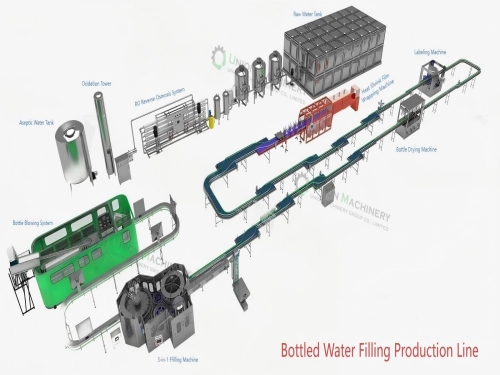
We break down the full workflow of a standard bottled water production line in simple, clear steps for you. A complete bottled water production line runs through seven core linked stages. They are water treatment, PET bottle blowing, automatic water filling, bottle capping and sealing, finished product inspection, bottle labeling, and final packaging. Every step follows food safety standards. Each machine connects tightly with the next. This full automated process helps you produce safe, uniform bottled water with high efficiency and low labor cost.
1. Water Treatment: How to Remove Impurities and Meet Drinking Standards?
Raw water from wells, springs or municipal pipes carries sediment, chlorine, tiny particles and bacteria. These invisible impurities will ruin water taste and fail international drinking water tests. Bad water quality can not only quickly destroy your brand’s reputation, but also damage your downstream production machines and shorten their service life.The water treatment system cleans the water to meet drinking standards. First, raw water goes through sand filtration to remove large dirt and sediment. Next, activated carbon filtration absorbs chlorine, odd tastes and organic substances. Then a water softener reduces water hardness to avoid scale buildup. After that, an RO reverse osmosis system filters out heavy metals, tiny impurities and most microorganisms. Finally, UV or ozone sterilization kills remaining bacteria. This process makes water fully meet global drinking water standards for formal filling.
2. Bottle Blowing: How to Turn PET Preforms Into Standard Water Bottles?
Many processing factories waste money on unqualified purchased bottles or unstable manual bottle making. Finished bottles with uneven thickness, cracks or deformation cause leakage and product waste during filling. Irregular bottle shapes also affect labeling and packaging, and lower your product’s market appearance. Moreover, purchasing empty bottles will greatly increase your production costs. You need a better way to get bottles.The automatic bottle blowing machine shapes the bottles using heat and air. The whole process is simple and stable. First, the machine heats raw PET preforms evenly to soften the plastic material. Then it blows high-pressure air into the softened preforms. The preforms stretch and fit the mold shape to form complete hollow water bottles. After quick cooling and shaping, finished hard bottles come out steadily. In-line blowing ensures every bottle has uniform size, smooth surface and stable quality. It cuts your cost of buying external bottles too.
3. Automatic Filling: How to Fill Accurately and Hygienically?
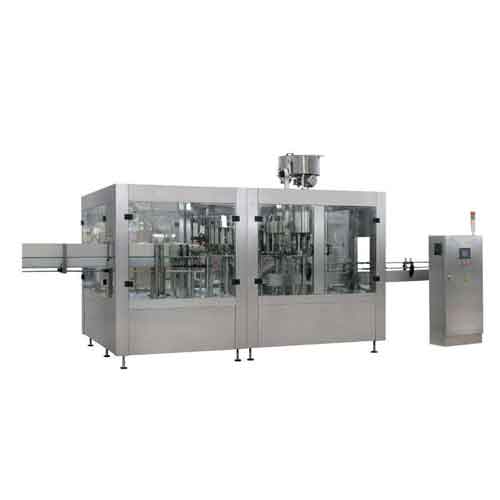
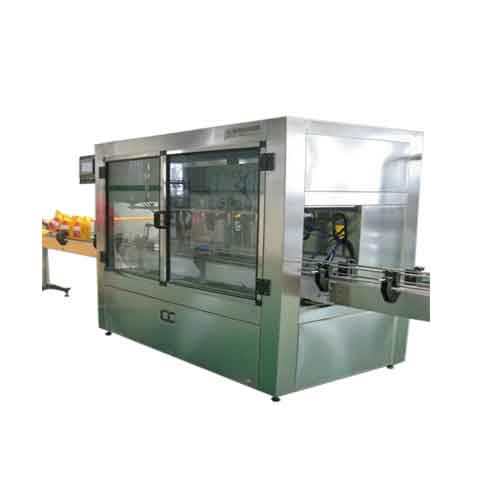
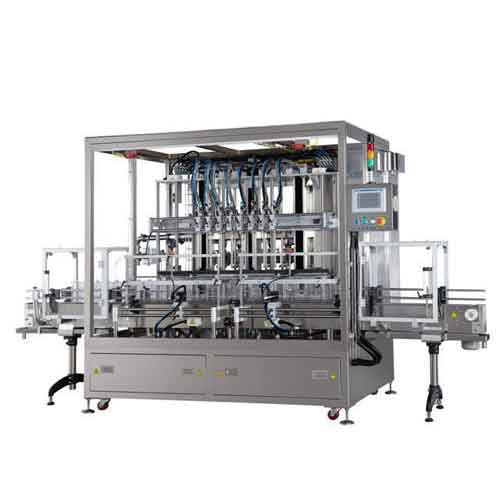
Manual or semi-automatic filling always brings two big troubles for beverage factories. The first is uneven water volume in each bottle, which affects product uniformity. The second is open filling that exposes water to dust and bacteria. These issues cause customer complaints and unqualified batch products.We adopt integrated closed filling equipment for this key step. Empty bottles move to the filling station through automatic conveyors. The machine first rinses bottle interiors with purified water to remove dust. Then it fills precise volumes of treated water into each sealed bottle. The whole filling process happens in a closed sterile environment. It avoids secondary pollution completely. The machine controls filling volume accurately. Every bottle keeps the same water level, which fits unified product standards.
4. Capping and Sealing: How to Lock Bottle Safety and Prevent Leakage?
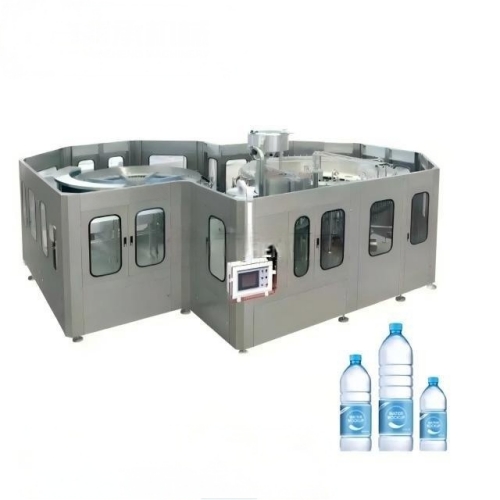
Loose caps or poor sealing are common flaws in bottled water production. Unsealed bottles leak during storage and transportation. They also let bacteria enter the bottles. This shortens product shelf life and leads to large-scale product scrapping. It directly hurts your factory’s profit and brand reputation.We use automatic capping and sealing machines to finish this process efficiently. The machine automatically arranges and conveys plastic caps to the bottle mouths. It aligns caps precisely with bottle necks. Then it screws and presses caps tightly with fixed torque. The equipment checks cap tightness in real time during working. It removes loosely capped products immediately. Tight and standard sealing keeps bottled water clean and sterile. It prevents leakage and extends product shelf life for market sales.
5. Product Inspection: How to Screen for Defective Products?
Many factories miss tiny defects through manual inspection. Workers easily ignore cracked bottles, unsealed caps, dirty bottle surfaces or abnormal water clarity. These defective products flow into the market. They trigger safety risks and bad customer reviews.We set a full automatic inspection station after the sealing process to control product quality strictly. The production line uses sensor and vision detection systems to check every finished bottle. It inspects bottle appearance for cracks and scratches. It checks cap sealing tightness again. It also verifies water clarity and filling volume. The system automatically picks out all unqualified products. It separates defective bottles from qualified ones. This step makes sure only standard products move to the next packaging stage.
6. Labeling: How to Attach Clear and Standard Product Labels?
Uneven labeling, tilted labels or bubble-covered labels make your products look unprofessional. Low-quality labeling affects shelf display effects. It also fails to meet commodity labeling rules in many overseas markets. This creates unnecessary sales obstacles for your products.We use automatic self-adhesive labeling machines for neat and standard labeling work. Qualified bottles move steadily to the labeling station. The machine automatically peels, conveys and pastes labels on fixed bottle positions. It adjusts labeling speed and position to match different bottle sizes. Every label sticks flat and straight without bubbles or wrinkles. Clear and standard labels meet international commodity display requirements. They also improve your product’s overall market competitiveness.
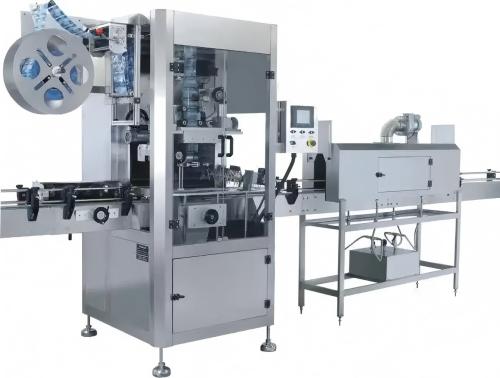
7. Final Packaging: Which Do You Choose, Shrink Wrapping and Carton Packing?
Disordered manual packaging leads to loose product bundles and damaged bottles during delivery. Slow manual packing speed also limits your daily production output. It cannot support large-batch order delivery for your wholesale and retail business.We provide two automatic packaging modes to fit different shipment needs. The first mode is heat shrink film packaging. The machine arranges bottled water into fixed groups, wraps them with plastic film, and heats the film for tight shrinking. This mode suits supermarket retail and small-batch delivery. The second mode is automatic carton packing. The equipment puts grouped bottled water into standard cartons, seals and stacks cartons neatly. This mode fits large-batch wholesale and long-distance transportation. Both modes improve packaging speed greatly. They protect products from damage during transit and make warehouse storage easier.
8. Final Thoughts
A full bottled water production line is a matched set of automated machines. Every step connects closely and serves one goal: producing safe, standard and high-quality bottled water efficiently. From raw water purification to final packaging, each process solves common production pain points. It reduces manual errors, lowers production costs, and stabilizes product quality.As a professional Chinese food machinery export supplier, we customize complete production lines for different factory scales. We serve beverage processing plants, FMCG packaging enterprises, large catering groups and other related clients. If you need a stable, high-efficiency bottled water production solution, you can contact us for detailed line configuration and technical support.
For more product information, please refer to: Bottled Water Filling Machine;More video information see view: Bottled Water Production Line 、PET Bottled Water Production Line. Our expertise and advantages will bring you more opportunities and development space.
For personalized, industry-tailored advice and to explore state-of-the-art solutions, please don't hesitate to contact us at info@unmachinery.com
The following is other knowledge related to Bottled Water Filling Production Line that I have summarized based on long-term work experience, for your reference. I hope it will be helpful to you.
1.How to Design a PET Bottled Water Production Line?
2.How is PET bottled purified water filled?
3.What Are the Advantages of 3-in-1 Bottled Water Filling Machines?
4.What Are The Common Faults of 3-in-1 Bottled Water Filling Machine?
Product List
HOT PRODUCT