Table of Contents
1.Hot Filling: A Common Aseptic Method for High-Acid Products2.Cold Filling: The Best Choice for Heat-Sensitive Products
3.Aseptic Blow-Fill-Seal : All-in-One Aseptic Filling
4.Aseptic Filling Lines: For Large-Scale Production
5.Future Trends of Aseptic Filling
6.How to Choose the Right Aseptic Filling Method for Your Business
Do you run a food or beverage processing business? Are you tired of product spoilage, high waste rates, or failing to meet international sterility standards? Choosing the wrong aseptic filling method can cost you time, money, and even your customers’ trust. I’ve helped many foreign food companies solve these problems by breaking down the most common aseptic filling methods simply and clearly.
The most common methods of aseptic filling used internationally are hot filling, cold filling, aseptic blow-fill-seal (ABFS), and aseptic filling lines. Each method has simple principles, clear pros and cons, and specific uses. I will explain each one in detail so you can pick the best method for your business—whether you make juice, dairy, fruits, or ready-to-eat meals.
Hot Filling: A Common Aseptic Method for High-Acid Products
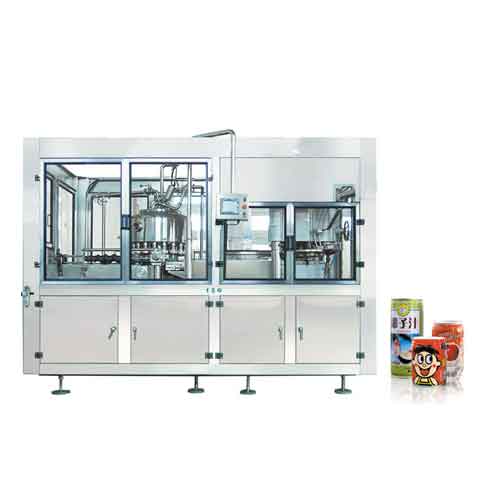
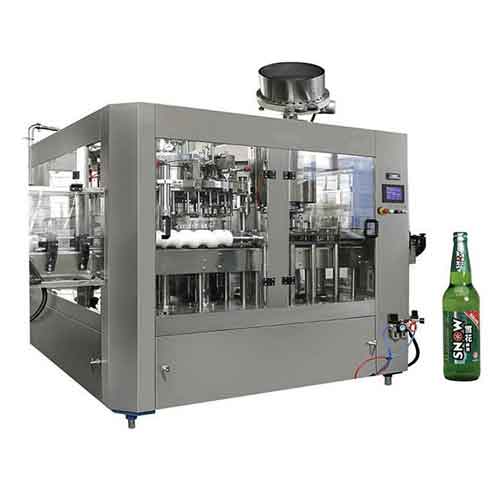
Do you produce high-acid products like fruit juice, tea, or sports drinks? Have you had issues with products going bad too quickly or losing flavor after filling? Hot filling is a simple, low-cost solution that many beverage companies rely on—but it’s not right for every product.Hot filling works by heating your product to 85-95°C (185-195°F) to kill harmful bacteria. You then fill the hot product into pre-cleaned containers right away. The heat from the product also sterilizes the inside of the containers and caps before you seal them. This method is easy to operate, needs relatively simple equipment, and has a lower initial investment compared to other aseptic methods.
I’ve seen many small to medium beverage companies use hot filling because it’s reliable. It works best for products with a pH below 4.6, like orange juice or iced tea—these acidic products are less likely to grow harmful bacteria. The main advantage is its low cost and simplicity. The main downside is that high heat can damage the product’s flavor, color, and nutrients. You also need heat-resistant containers, which can limit your packaging options and increase material costs.
If you run a beverage company that makes high-acid drinks and wants to keep costs low, hot filling is a great choice. It’s also good for companies that don’t have a large budget for complex equipment.

Cold Filling: The Best Choice for Heat-Sensitive Products
Do you make heat-sensitive products like dairy, plant-based milk, or fresh fruit juices? Does high heat ruin your product’s taste, nutrients, or texture? Cold filling solves this problem by keeping your product cool throughout the process—but it requires more investment.Cold filling works by sterilizing your product first (usually with ultra-high-temperature (UHT) treatment) and then cooling it to room temperature. You also sterilize the containers separately, often with hydrogen peroxide or steam. You then fill the cooled product into the aseptic containers in a controlled aseptic room. This method keeps your product’s original flavor, color, and nutrients intact because it avoids high heat.
I’ve worked with many dairy and plant-based milk companies that swear by cold filling. It’s ideal for products with a pH above 4.6, like milk, yogurt drinks, or protein shakes—these products are more sensitive to bacteria and need strict sterility. The biggest advantage is that it preserves the product’s quality. The main downside is that it needs more expensive equipment and a aseptic room to prevent contamination. It also has a higher initial investment than hot filling.
If you prioritize product quality and make heat-sensitive items, cold filling is worth the investment. It’s perfect for dairy processors, fresh juice companies, and any business that wants to offer “clean label” products with no extra preservatives.
Aseptic Blow-Fill-Seal (ABFS): All-in-One Aseptic Filling
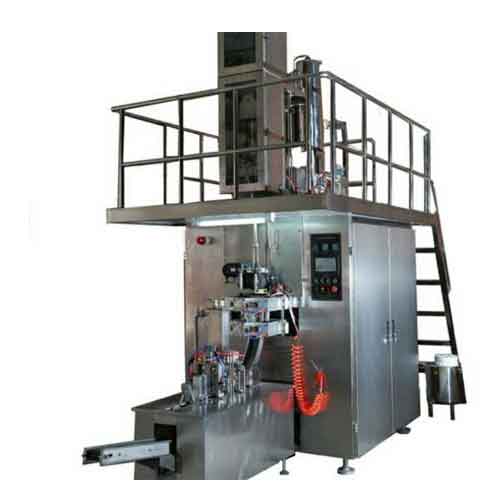
Do you want to speed up your filling process and reduce contamination risks? Do you hate moving containers between machines (blowing, filling, sealing) and worrying about bacteria getting in? ABF combines all three steps into one aseptic process—and it’s becoming more popular for sensitive products.Aseptic blow-fill-seal (ABFS) is a single machine process that blows the container, fills it, and seals it—all in a aseptic environment. First, you asepticize the plastic preforms with vaporized hydrogen peroxide. Then, the machine blows the preforms into containers, fills them with your aseptic product, and seals them immediately. There’s no need to move containers between machines, which cuts down on contamination risk.
I’ve seen ABFS work well for companies that make sensitive products like UHT milk, plant-based drinks, or even products with small particles (like fruit pieces). It’s fast, efficient, and reduces human error because it’s fully automated. The advantages are speed, less contamination, and lower labor costs. The downsides are high initial investment and more complex maintenance—you need trained staff to operate and maintain the machine.
If you have a medium to large production line and want to improve efficiency while keeping products aseptic, ABF is a great option. It’s especially good for dairy, beverage, and food companies that need consistent, high-volume production.

Aseptic Filling Lines: For Large-Scale Production
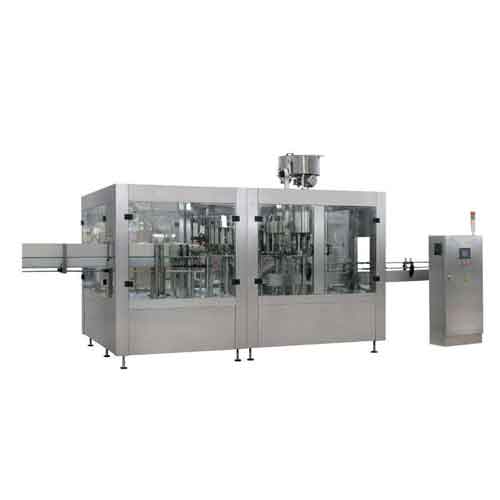
Do you run a large food or beverage factory with high production volumes? Do you struggle to keep up with demand while maintaining sterility? Manual or small-scale filling methods can’t keep up—aseptic filling lines are designed for big businesses like yours.Aseptic filling lines are fully automated systems that handle every step of the aseptic filling process: cleaning containers, asepticizing them, filling them with aseptic product, sealing them, and even labeling them. The entire line operates in a aseptic environment (like a cleanroom) to prevent any contamination. These lines use advanced technology to ensure consistency and speed.
I’ve worked with large food processing companies, dairy factories, and fast-moving consumer goods (FMCG) businesses that use aseptic filling lines. They’re perfect for high-volume production—some lines can fill thousands of containers per hour. The advantages are speed, consistency, and compliance with strict international aseptic standards (like FDA and EMA guidelines). The downsides are high initial cost, need for a cleanroom, and regular maintenance.
If you have a large-scale operation (like a big dairy farm, fruit processing plant, or beverage factory), aseptic filling lines are essential. They help you meet demand, keep products aseptic, and avoid costly mistakes.
Future Trends of Aseptic Filling
Do you want to stay ahead of your competitors? Are you worried about new regulations or changing consumer demands? The aseptic filling industry is changing fast—and knowing the trends can help you make better decisions for your business.The future of aseptic filling will focus on four key areas. First, more automation to reduce human error (human touch is a top source of contamination). Second, modular designs that let you adjust your production line for different products or volumes. Third, eco-friendly materials and processes to meet environmental rules (like reducing plastic waste). Fourth, non-thermal sterilization (like high-pressure processing, HPP) to keep products even fresher.
I’ve noticed more companies moving to automated, modular systems—they’re flexible and help you comply with strict regulations. The global aseptic filling machine market is growing at a CAGR of 4.9% from 2026 to 2033, driven by demand for clean label products and stricter sterility standards. Non-thermal methods like HPP are also becoming popular because they preserve product quality better than heat-based methods.
To stay competitive, you should consider investing in flexible, automated equipment that can adapt to new trends. This will help you meet consumer demands and comply with future regulations.

How to Choose the Right Aseptic Filling Method for Your Business
Do you feel overwhelmed by all the options? Do you worry about picking a method that doesn’t fit your product or budget? I’ve helped many foreign companies choose the right method—and it all comes down to three simple factors.To choose the right aseptic filling method, you need to consider three things: your product type (heat-sensitive or not), your production volume (small, medium, or large), and your budget. For high-acid, non-heat-sensitive products and small budgets, choose hot filling. For heat-sensitive products and a focus on quality, choose cold filling. For medium to large volumes and efficiency, choose ABFS. For large-scale production, choose aseptic filling lines.
We provide high-quality aseptic filling machines for all these methods. We’ve helped food processing companies, beverage plants, dairy factories, and fruit/vegetable processors around the world find the right equipment. Our machines are easy to operate, meet international standards, and fit different budgets.
If you’re still not sure which method or machine is right for you, feel free to contact me. I can give you personalized advice based on your product, production volume, and goals. Choosing the right aseptic filling method is key to your success—and I’m here to help.
For more product information, please refer to: Aseptic-Carton-filling-machine;More video information see view:200ml-aseptic-carton-filling-machine、 250ml Juice Aseptic Filling Line、250ml Slim Aseptic Carton Filling Machine、 500ml Diamond Fruit Juice Aseptic Carton Filling Line ; Our expertise and advantages will bring you more opportunities and development space.
For personalized, industry-tailored advice and to explore state-of-the-art solutions, please don't hesitate to contact us at info@unmachinery.com
The following is other knowledge related to aseptic carton filling production that I have summarized based on long-term work experience, for your reference. I hope it will be helpful to you.
1.What is the aseptic filling machine?
2.How to ensure the quality and safety of aseptic carton filling products?
3.What are the common forms of aseptic carton packaging?
4.What are the main equipment of aseptic carton filling line?
5.Aseptic carton filling common problems and solutions.
6.How to ensure the aseptic effect of aseptic carton filling?
7.What should be noted when buying a aseptic carton filling machine?
8.What are the benefits of using a aseptic carton filling machine?
9.How can aseptic carton filling machines help enterprises improve production efficiency?
10.What is the maintenance cost of a aseptic carton filling machine?
11.How to judge the quality of aseptic carton filling machine?
12.How Can Aseptic Filling Revolutionize Your Ice Cream Production?
13.How to Maintain a Standard Brick Aseptic Carton Filler?
14.How Much Does a 250ml Brick Aseptic Carton Filling Machine Cost?
15.What You Need to Know Before Installing a 250ml Aseptic Carton Filling Machine?
16.What Are the Cutting-Edge Industry Trends in Aseptic Carton Filling Machines?
17.Why Aseptic Carton Filling Machines Are Essential for Milk Production?
18.Which Products Are Suitable for Aseptic Carton Filling?
19.What is an Aseptic Carton Filling Machine?
Product List
HOT PRODUCT