1. Introduction
2. Daily Cleaning and Inspection
3. Lubrication and Component Care
4. Calibration and Adjustment
5. Troubleshooting and Preventive Measures
6. Seasonal and Long-Term Storage
7. Conclusion
Introduction: The Hidden Cost of Neglecting Your Machine
Imagine this: Your cup yogurt filling and sealing machine suddenly stops working in the middle of a big order. Yogurt spills everywhere. Production halts for hours. You lose money and frustrate your customers. This happens often when maintenance is ignored. Small issues like dirt buildup or worn parts turn into big disasters. But don't worry. I've seen many clients avoid this with simple, regular care. In this post, I'll share proven tips to keep your machine running smoothly. You can save time and cut costs easily.The Simple Answer to Long-Lasting Performance
To maintain your yogurt cup filling and sealing machine well, focus on daily cleaning, regular lubrication, frequent calibration, quick troubleshooting, and proper storage. Clean all parts after each use to prevent residue. Lubricate moving components weekly to reduce wear. Calibrate settings monthly for accurate filling and sealing. Fix small problems right away to avoid breakdowns. Store the machine correctly during downtime. I've helped food businesses worldwide with this routine. It extends machine life by years and boosts efficiency. Now, let's dive into each step for a clear, actionable guide.
Daily Cleaning and Inspection: Stop Buildup Before It Starts
Why Ignoring This Step Hurts Your Bottom Line
Picture dried yogurt crusting on your machine's nozzles or seals. It seems minor at first. But over time, this gunk causes clogs and contamination. Your products get rejected for quality issues. You face costly recalls or delays. I've heard from dairy plants where this led to hours of downtime daily. The solution is straightforward. Make cleaning and inspection a non-negotiable habit. It takes little effort and prevents most headaches.Your Step-by-Step Routine for Spotless Operation
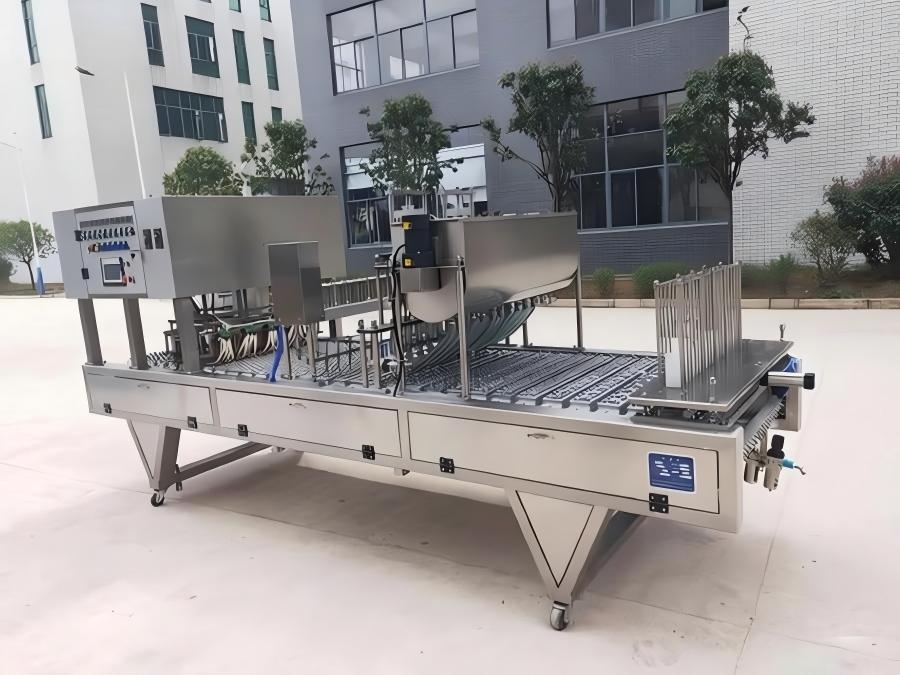
Start by cleaning your machine after every shift. First, power it off and unplug it for safety. Use warm water and mild detergent. Wipe all surfaces, including filling heads and sealing jaws. Pay extra attention to crevices where residue hides. Rinse thoroughly with clean water. Then, dry everything with a soft cloth to prevent rust. Next, inspect for wear or damage. Check seals, belts, and sensors. Look for cracks or loose parts. Replace anything worn out immediately. Do this daily. It keeps your machine hygienic and reliable. You'll avoid unplanned stops and ensure consistent product quality.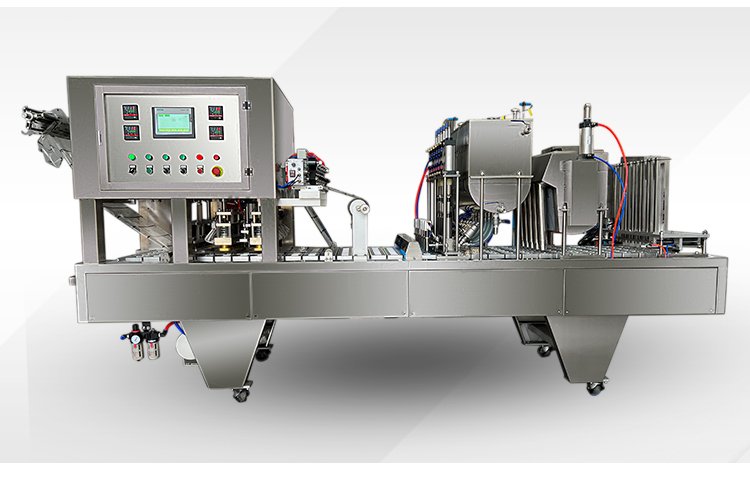
Lubrication and Component Care: Keep Things Moving Smoothly
The Friction That Can Wreck Your Workflow
Think about the moving parts in your machine, like gears or pistons. Without lubrication, they grind against each other. This creates heat and wear. Soon, components fail. Your machine jams or runs unevenly. I've visited packaging plants where this caused entire lines to shut down. Repairs cost thousands. The aggravation is real. But you can fix it. Lubrication is your best defense. It's quick and cheap.How to Lubricate for Maximum Longevity
Lubricate key parts once a week or as your manual suggests. Focus on high-friction areas. These include bearings, chains, and sliding mechanisms. Use food-grade lubricant only. Apply a thin layer. Avoid over-lubricating. Excess grease attracts dirt. Wipe off any spills right away. Also, inspect components during lubrication. Tighten loose bolts. Replace worn seals or belts. This routine reduces friction. It extends part life and keeps your machine running quietly. You'll cut repair bills and maintain peak performance.Calibration and Adjustment: Ensure Precision Every Time
When Small Shifts Lead to Big Errors
Consider your machine's filling volume or seal strength. If settings drift, yogurt cups underfill or leak. Customers complain about inconsistent products. Your brand reputation suffers. I've worked with beverage companies that lost contracts over this. The problem often starts with vibrations or temperature changes. It escalates fast. But calibration solves it. Regular checks keep everything accurate.Simple Steps for Perfect Settings
Calibrate your machine every month. First, test the fill volume. Use a sample cup and scale. Adjust the pump if needed. Aim for exact measurements. Next, check the sealing temperature and pressure. Ensure seals are tight and uniform. Refer to your manual for specific targets. Make small tweaks. Record all adjustments in a log. This takes minutes but prevents waste. Your products will meet standards every time. It's a smart way to uphold quality and efficiency.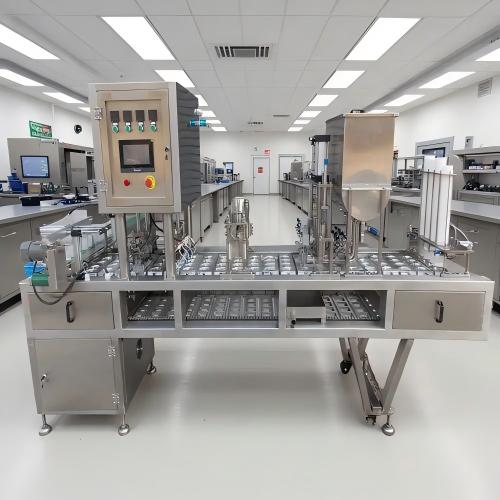
Troubleshooting and Preventive Measures: Catch Issues Early
Minor Faults That Can Spiral Out of Control
A strange noise or a slow cycle might not alarm you at first. But these signs often point to bigger trouble. For example, a misaligned sensor could cause misfills. Or a loose wire might lead to electrical faults. I've seen cases where delayed fixes meant days of downtime. The frustration mounts. Costs soar. However, proactive troubleshooting stops this. Address problems when they're small.Your Action Plan for Quick Fixes
Monitor your machine during operation. Listen for unusual sounds. Watch for leaks or delays. Keep a troubleshooting guide handy. Common issues include jammed cups or weak seals. Clear jams gently. Check for obstructions. Test sensors and connections. Replace faulty parts fast. Also, train your team to spot early warnings. Schedule preventive checks quarterly. This approach minimizes surprises. You'll keep production flowing and reduce stress.Seasonal and Long-Term Storage: Protect Your Investment
The Risks of Leaving Your Machine Idle
Suppose you shut down for a season or holiday. Dust settles. Moisture builds. Metal parts rust. Seals dry out. When you restart, the machine might not work. I've advised farms and processors where this caused expensive overhauls. The damage is avoidable. Proper storage is key. It preserves your machine for years.Best Practices for Safe Storage
Before storing, clean and dry the machine thoroughly. Apply a light coat of rust inhibitor on metal surfaces. Cover it with a breathable tarp. Store in a dry, cool place. Avoid direct sunlight or humidity. If storing long-term, run the machine briefly every few months. This keeps parts moving. Lubricate before restarting. These steps prevent corrosion and ensure a smooth return to work. Your machine stays ready for action.Conclusion: Make Maintenance a Habit for Success
Maintaining your cup yogurt filling and sealing machine isn't hard. It just needs consistency. Follow these steps daily, weekly, and monthly. You'll prevent breakdowns, save money, and produce top-quality yogurt. As a supplier, I offer free guides and support. Reach out if you need help. Start today—your machine will thank you with years of reliable service. Share your own tips in the comments below!Union Machinery has been engaged in food machinery customization services since its establishment in 2014, according to customer needs for you to tailor suitable machinery and equipment, for more product information, please refer to: Automatic-Cups-Filling-and-Sealing-Machine/ More video information see view: cups-filling-and-foil-sealing-machine cups-filling-and-sealing-machine coffee-capsule-filling-and-sealing-machine Double-row Coffee Capsule Filling and Sealing Machine Coffee capsule filling sealing capping machine Oatmeal cup filling and sealing machine 12-column jelly filling and sealing machine Cup yogurt filling and sealing machine Cup filling and sealing machine for jelly;Our expertise and advantages will bring you more opportunities and development space.
For personalized, industry-tailored advice and to explore state-of-the-art solutions, please don't hesitate to contact us at info@unmachinery.com
The following is other knowledge related to the cup filling and sealing machine that I have summarized based on long-term work experience, for your reference. I hope it will be helpful to you.
1.What is the cup filling machine?
2.How to Choose the Perfect Jelly Filling and Sealing Machine?
3.How did jelly get into your mouth?
4.What are the common faults of jelly filling and sealing machine?
5.How much does a jelly filling production line cost?
6.What is a cup yogurt filling and sealing machine?
7.How much is the cup yogurt filling and sealing machine?
8.How Does Cup Yogurt Filling & Sealing Machines Work?
9.2026 Price Guide for Cup Yogurt Filling and Sealing Machines
10.What Are the Emerging Trends in Cup Yogurt Filling and Sealing Machines?
Product List
HOT PRODUCT