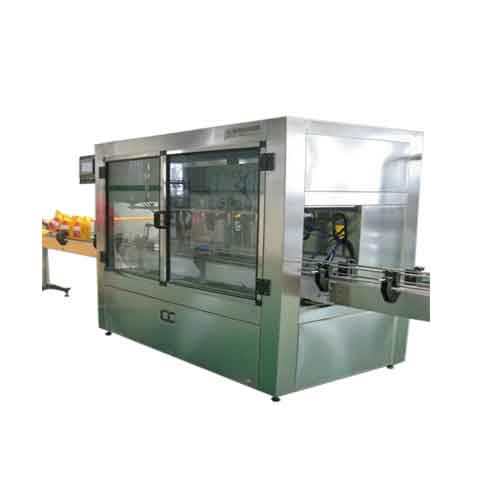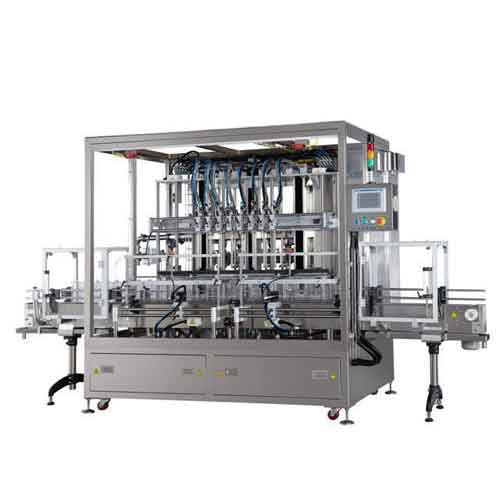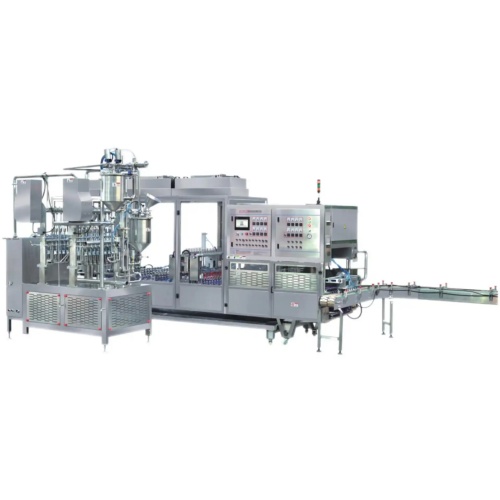
Let me answer your urgent question directly. The price range of a cup yogurt filling and sealing machine is very wide. Basic entry-level models are about 8,000 to 40,000 US dollars. Mainstream models with more functions, higher capacity and better automation usually cost between 40,000 and 150,000 US dollars. For high-end or customized production lines that need extremely high capacity or special functions (such as modified atmosphere packaging, complex sauce filling), the price may exceed 150,000 US dollars. This price difference mainly depends on the machine's type, capacity, automation level and functional configuration.
Next, I will analyze the key factors affecting the price in detail. This will help you find the best solution for your budget and needs.
1. How Big is the Price Difference Between Different Types of Machines?
When you search online, you may be confused by various machine types—turntable type, continuous type, linear type... They have different names and very different prices. If you choose the wrong type, you either waste money on a "decorative piece" or get a machine that cannot keep up with your production rhythm. You spend money for nothing, and the problem still exists.Choosing a machine type that does not fit your production scale and product characteristics is a common waste in initial investment. It can lead to equipment idleness, insufficient capacity, or complicated operation and difficult maintenance. In the end, it will drag down your overall efficiency and profits.
Understanding the characteristics and price ranges of different machine types is the first step to making a smart investment. It ensures that every penny you spend matches your actual needs exactly. You can avoid unnecessary expenses or the embarrassment of insufficient performance.
Let me clarify the mainstream types and their typical price tags for you:
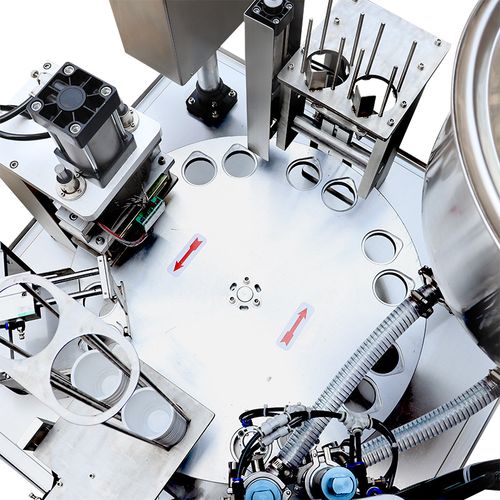
· Basic Rotary Filling and Sealing Machine: It is the most common entry-level choice. It is suitable for small and medium-sized start-ups or production with relatively simple product types. It uses an intermittent rotating workbench. Its structure is relatively simple, and it covers a small area. The price is usually the most affordable, ranging from 8,000 to 12,000 US dollars.
· Continuous Filling and Sealing Machine: If you aim for medium to high output and a more stable production cycle, the continuous type is a better choice. It is like an assembly line. Cups move continuously through the filling and sealing stations. It is faster and more efficient. The price is correspondingly higher, generally between 20,000 and 60,000 US dollars.
· Multifunctional/Customized Filling and Sealing Production Line: When your products involve thick sauces (such as yogurt with fruit pieces, mayonnaise), need special sealing (modified atmosphere preservation), or require extremely high capacity, you need a customized production line from raw materials to post-packaging. Such machines have the highest prices, usually starting from 100,000 US dollars and reaching 200,000 US dollars or more.
2. What Key Factors Really Determine the Machine's Price?
You may see two machines that look similar, but their prices differ several times. This is confusing. If you do not understand the price-driven factors behind them, you may pay for functions you do not need. Or you may ignore key configurations to save money. As a result, the machine cannot meet your core needs after purchase.Blindly comparing the price of "bare machines" without considering specific configurations is a big mistake in procurement. It may lead to high subsequent modification costs, low production efficiency, or even the machine's failure to operate normally. This will affect your product launch plan and profitability.
Mastering the core factors affecting the price can make you more targeted when asking for quotes and negotiating. You can spend money on the most important things. Ensure that the machine you buy perfectly fits your yogurt product characteristics and production goals.
Based on my many years of experience, the following are the key factors that affect the price:
· Capacity (Speed): It is the most direct influencing factor. A machine that fills and seals 1,000 cups per hour has a huge price difference from a machine that processes 6,000 cups or even 10,000 cups per hour. Higher capacity requires higher requirements on the mechanical structure, drive system and control accuracy. The cost naturally increases. It is crucial to clarify your current and future 3-5 year capacity needs.
· Number and Accuracy of Filling Heads: More filling heads (single head, double heads, multiple heads) usually mean faster filling speed. At the same time, higher filling accuracy requirements (especially for thick yogurt or jam with large particles) have higher requirements on pumps, valves, control systems and weighing/measuring systems. This directly affects the price. High-precision liquid or paste filling systems have higher costs.
· Automation Level: Manual cup loading VS Automatic cup arranging and dropping? Manual lid placing vs automatic lid feeding system? Semi-automatic VS Fully automatic (including automatic cup dropping, filling, lid placing, sealing, and even labeling and stacking)? Each step of increasing the automation level requires adding corresponding mechanical devices, sensors and control systems. The price also rises significantly. Although fully automatic lines have a high initial investment, they can greatly save labor costs in the long run.
· Machine Material and Manufacturing Quality: The parts in contact with food must use 304 or 316 stainless steel. This is a regulatory requirement and a basic guarantee. However, the material thickness of the overall frame, the quality of transmission parts (such as motor and bearing brands), and the brand of electrical components (PLC, touch screen, sensors) all directly affect the machine's durability, stability and price. Equipment that is more robust, durable and reliable has a higher initial cost, but lower maintenance costs and downtime losses.
· Function Expandability: Does the machine support Modified Atmosphere Packaging (MAP) sealing? Can it easily replace cups of different sizes? Does it reserve interfaces to add labeling machines or carton packing machines in the future? These expansion functions will increase the complexity and cost of the equipment. If you have upgrade plans in the future, choosing a platform with good expandability may be more cost-effective.

3. How to Choose the Machine with the Best Cost-Effectiveness?
Faced with a wide range of suppliers and dazzling prices, you may feel at a loss. You are afraid of buying expensive, and also afraid of buying "problematic machines" for cheap. Choosing the wrong supplier or machine may mean long delivery times, poor after-sales service, and frequent breakdowns and shutdowns. In the end, your investment becomes a nightmare.The loss caused by wrong procurement decisions is far more than the price of the machine itself. It can lead to production delays, unstable quality, soaring maintenance costs, and seriously damage your customer satisfaction and brand image.
Mastering scientific selection methods and supplier evaluation strategies can help you effectively avoid risks. You can lock in the machine that can create the most value and is stable and reliable within your budget. This allows your investment to generate returns quickly.
I suggest you follow these steps to find the best choice:
· Clearly Define Your Needs: This is the most important step! List in detail: your cup size and material (plastic cup, paper cup, PP bowl, aluminum foil box?), the thickness of yogurt (whether it contains fruit pieces/jam?), target capacity (cups per hour), filling accuracy requirements, whether special functions are needed (such as modified atmosphere sealing, automatic cup dropping/lid placing), factory space constraints and your budget range. The more specific, the better.
· Find Professional and Reliable Suppliers: Suppliers specializing in food and beverage packaging machinery, especially dairy equipment, usually have more experience. Check their company's years of operation, major customer cases, and whether they have export experience (especially to your country/region). Ask suppliers to provide detailed technical solutions and configuration list quotes.
· Conduct in-depth Comparison of Quotes: Do not just look at the total price! Compare item by item: capacity, number of filling heads, automation level, brand of key components (PLC, motor, pump, sensor), material report, function details, quality guarantee terms, delivery time, technical support method, etc. Ensure that you are comparing machines with equivalent configurations and performance. Ask suppliers to provide machine operation videos (preferably videos of producing similar products).
· Attach Importance to After-sales Service and Support: This is extremely critical for international buyers! Clearly ask: whether installation and commissioning are included (remote guidance or on-site engineer dispatch?), operation training method, spare parts supply (whether there is local inventory?), warranty period, fault response time, technical support channels (email/phone/online? Time difference issues?). Reliable after-sales service can greatly reduce your operational risks. Choose suppliers who are responsive, professional and transparent in communication.

4. What Other Costs Should Be Considered Besides the Machine Itself?
You may have calculated the procurement budget for the machine. But do not forget that there are some hidden and easily overlooked costs to make the machine really run in your factory. If you only focus on the price of the bare machine, you may find that the total expenditure far exceeds expectations after the machine arrives at the factory. This will disrupt your financial plan.Underestimating the landing cost is a common reason for project overspending. These additional costs may occupy your working capital, or even cause project delays. This affects your new product launch or capacity improvement plan.
Understanding all relevant cost items in advance and making a complete budget plan can ensure the smooth launch of your cup yogurt project without financial "surprises".
Be sure to consider these additional costs in your budget:
· Freight and Insurance Fees: The cost of shipping from Chinese factories to your overseas factories is a major additional item. This depends on the machine's size and weight (whole machine or split shipping?), transportation method (sea freight is the main method, air freight is extremely expensive), port of departure/destination, and current international freight rates. Buying transportation insurance is necessary to avoid the risk of damage or loss during transportation. Ask suppliers for accurate machine size and gross weight information, and ask freight forwarders for quotes.
· Import Duties and Taxes: These are mandatory government fees. The specific tax rate depends on your country's customs tariff schedule and relevant trade agreements. You need to consult local customs brokers or tax consultants to make an accurate estimate. Be sure to include this cost in the total budget.
· Installation, Commissioning and Training: Although some suppliers include this in their quotes, it is often an additional charge in many cases, especially when engineers need to travel abroad. The cost includes the engineer's travel expenses, accommodation and food expenses, and on-site service fees. Ensure that this is clearly stipulated in the contract. Also confirm the operation training fees (online or offline).
· Spare Parts and Wearing Parts: To ensure production continuity, you need to prepare a set of commonly used spare parts and wearing parts (such as sealing film cutting knives, O-rings, special specifications of conveyor belts, sensors, etc.). You should purchase these together with the machine from the supplier, or at least list the list and prices.
· Local Adaptation Costs: These may include: factory power connection transformation (voltage, frequency, sockets), compressed air pipeline connection (if the machine needs pneumatics), necessary equipment foundation platform production, and installation of protective devices that comply with local safety regulations. Your engineering team needs to evaluate this part.
Conclusion
Investing in a cup yogurt filling and sealing machine is more than just a purchase decision. It is a key step to improve your production efficiency, ensure product quality and seize market opportunities. The price ranges from a few thousand US dollars to several hundred thousand US dollars. The key is to find a solution that perfectly matches your current needs (product characteristics, output) and future plans (expandability), and provides reliable technology and after-sales support. Do not rush to compare the first quote. Take time to clarify your specific requirements and conduct in-depth evaluations of different suppliers' solutions and professionalism. I suggest you prepare your detailed demand list (cup specifications, capacity, function requirements, budget), and then take the initiative to contact several professional manufacturers with export experience to obtain targeted configuration plans and quotes. A well-chosen and well-used machine will become a powerful engine for the growth of your yogurt business. I wish you find the ideal equipment!Union Machinery has been engaged in food machinery customization services since its establishment in 2014, according to customer needs for you to tailor suitable machinery and equipment, for more product information, please refer to: Automatic-Cups-Filling-and-Sealing-Machine/ More video information see view: cups-filling-and-foil-sealing-machine cups-filling-and-sealing-machine coffee-capsule-filling-and-sealing-machine Double-row Coffee Capsule Filling and Sealing Machine Coffee capsule filling sealing capping machine Oatmeal cup filling and sealing machine 12-column jelly filling and sealing machine Cup yogurt filling and sealing machine Cup filling and sealing machine for jelly;Our expertise and advantages will bring you more opportunities and development space.
For personalized, industry-tailored advice and to explore state-of-the-art solutions, please don't hesitate to contact us at info@unmachinery.com
The following is other knowledge related to the cups filling and sealing machine that I have summarized based on long-term work experience, for your reference. I hope it will be helpful to you.
1.What is the cup filling machine?
2.How to Choose the Perfect Jelly Filling and Sealing Machine?
3.How did jelly get into your mouth?
4.What are the common faults of jelly filling and sealing machine?
5.How much does a jelly filling production line cost?
6.What is a cup yogurt filling and sealing machine?
7.How much is the cup yogurt filling and sealing machine?
8.How Does Cup Yogurt Filling & Sealing Machines Work?
Product List
HOT PRODUCT